A tag can fade, a pot can be replaced, and a photograph can become separated from the plant it shows. A simple plant record gives those pieces somewhere to stay connected.
The record does not have to begin with a confirmed cultivar name. It needs a stable way to identify the particular plant in your collection and an honest account of what is known about it.
Give the plant an identifier that can stay
Choose a collection number you will not reuse. For example, “PC-2026-014” could identify one plant in your own records. It is an inventory number, not a cultivar name, registration number, or claim about identity.
Put that identifier on the label and in a notebook or digital record. Keep a backup away from the pot. If the plant later receives a better-supported name, the identifier can stay the same, preserving the connection to earlier observations.
Preserve what came with it
Photograph the original label and record its wording as received. Add the date, source, and whether you received a cutting, graft, seedling, or established plant. Retain relevant source correspondence privately when it helps document the history.
Use separate fields for the received name and the current identification assessment. This lets you preserve a seller's or grower's label without silently turning it into a verified conclusion. If information changes, add a dated note explaining the evidence rather than erasing the earlier entry.
The Cultivar Record Guide on PlumeriaDatabase.com explains how names, traits, history, and information needing review fit together. A personal collection record can support that work without pretending every field is settled.
Keep seedlings connected to their beginnings
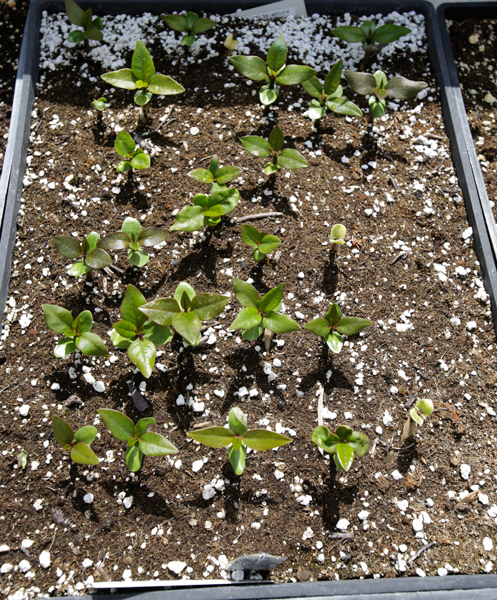
For seedlings, retain the connection between the seed source, seed lot, individual plant, and later bloom photographs. Record the pod parent and pollen parent only to the extent that the evidence supports them. A reported pod parent does not establish an unknown pollen parent, and a seedling should not automatically inherit the pod parent's cultivar name.
Use Keeping Track of Your Seedlings on PlumeriaSeeds.com for a practical seed-to-bloom record. It provides a useful next step when a single collection entry grows into a group of sibling seedlings.
Connect photographs without losing the originals
Store a link or filename for each relevant photograph alongside its date and the plant identifier. Keep original files and photographer credit. Add descriptive information in the record or a working copy, so the original image remains available for comparison.
A flower photograph becomes more useful with notes about the bloom's age, lighting, season, and growing conditions. For a fuller set of views, follow the Plumeria Photo and Trait Matching Guide.
Make the next entry easy
Begin with a manageable set of fields: identifier, label as received, source, date received, plant type, identity status, photograph references, and dated observations. Add detail when it answers a real question.
When sharing a cutting, pass along the relevant source history and the limits of what is known. Keep a note linking that cutting to its source plant. A record is most useful when the next grower can understand both the information and its uncertainty.