
Finding Your Plumeria’s Microclimate: Start Where the Plant Lives
Your USDA zone is only the beginning. Observe sunlight, rain, wind, heat, and root-zone moisture to understand the place your plumeria actually grows.
Browse the journal
The basics all plumerians should know
Your USDA zone is only the beginning. Observe sunlight, rain, wind, heat, and root-zone moisture to understand the place your plumeria actually grows.
Your first plumeria bloom is a milestone worth remembering. Capture the flower, preserve its history, and share the experience behind the wait.
Before adopting another grower’s routine, compare your season, plant stage, and actual growing conditions. Shared experience becomes more useful when the context travels with it.
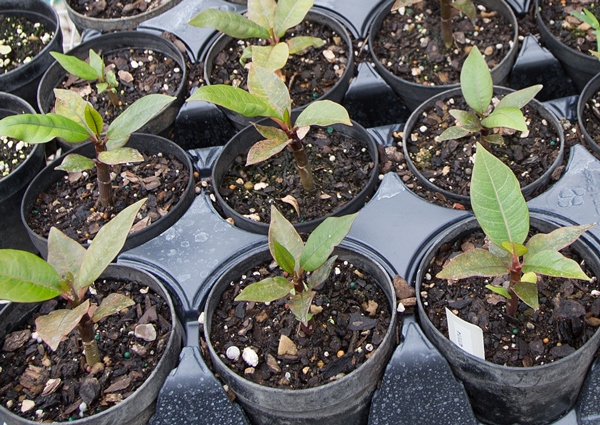
Start a new plumeria with an arrival record, a separate observation space, and care decisions based on the plant that actually arrived.

Watering, feeding, pruning, and bloom support are not automatically good or bad actions. Their value depends on whether the plant is ready for them. A
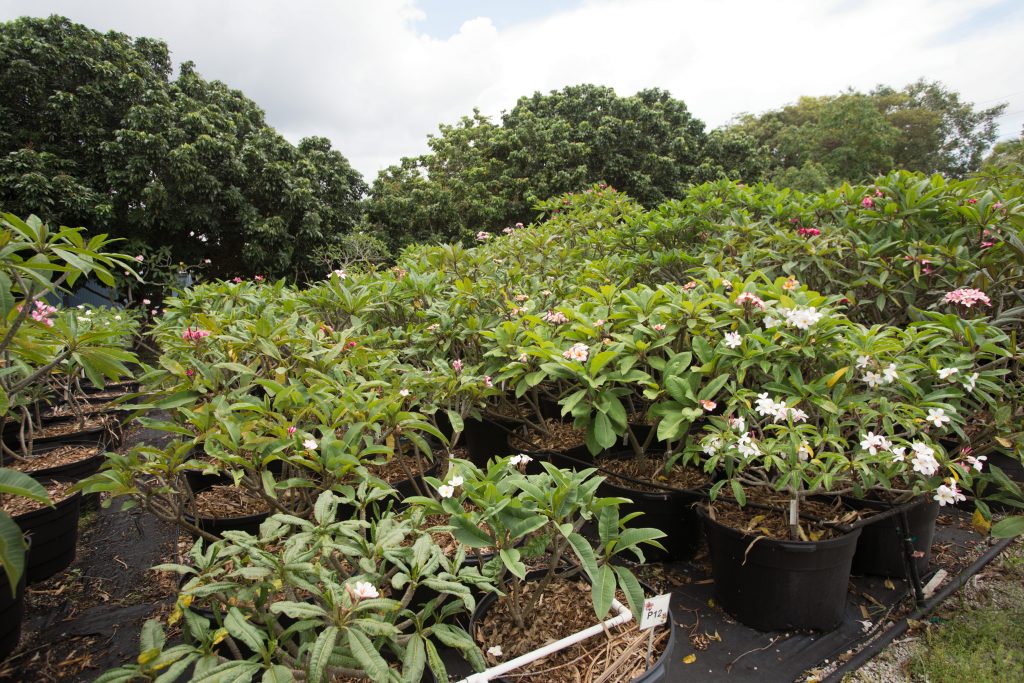
“How often should I water my plumeria?” sounds like a question that should have a simple answer. But the safest answer is not a number
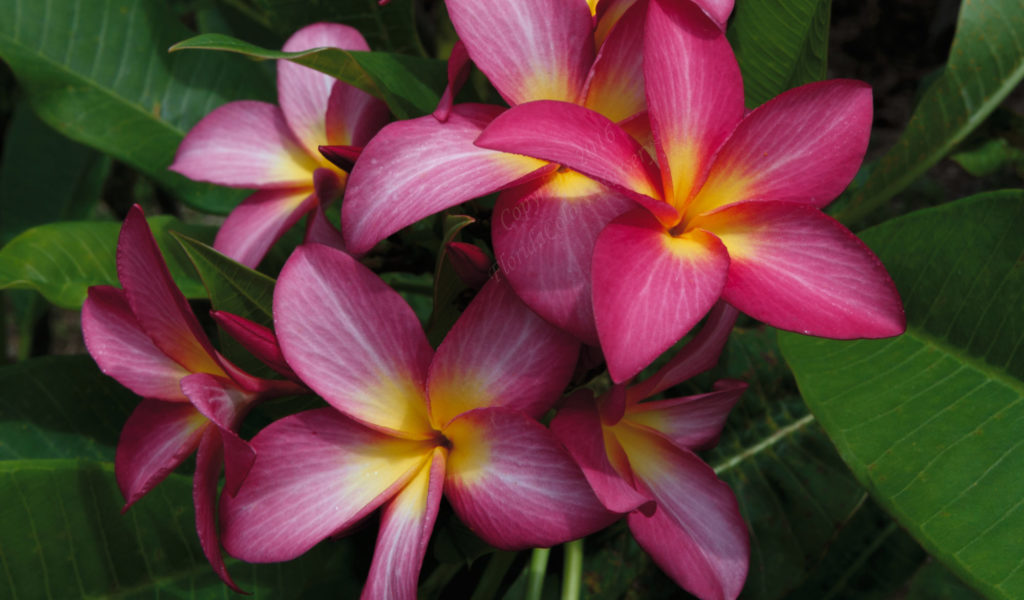
Welcome to the enchanting and ever-changing world of Plumeria’s seasonal ballet, a captivating dance that intertwines the rhythms of nature with the growth cycles of

At first glance, a seed appears to be just a small, simple thing. But hidden inside is the potential for a unique and wonderful plumeria

Caring for your Plumeria / Frangipani Plumeria, also known as Frangipani or Hawaiian lei flower, is an exotic tropical plant that is easy to grow.

Nutrients Plumeria needs to be fertilized because most soil does not provide the essential nutrients required for optimum growth. Even if you are lucky enough