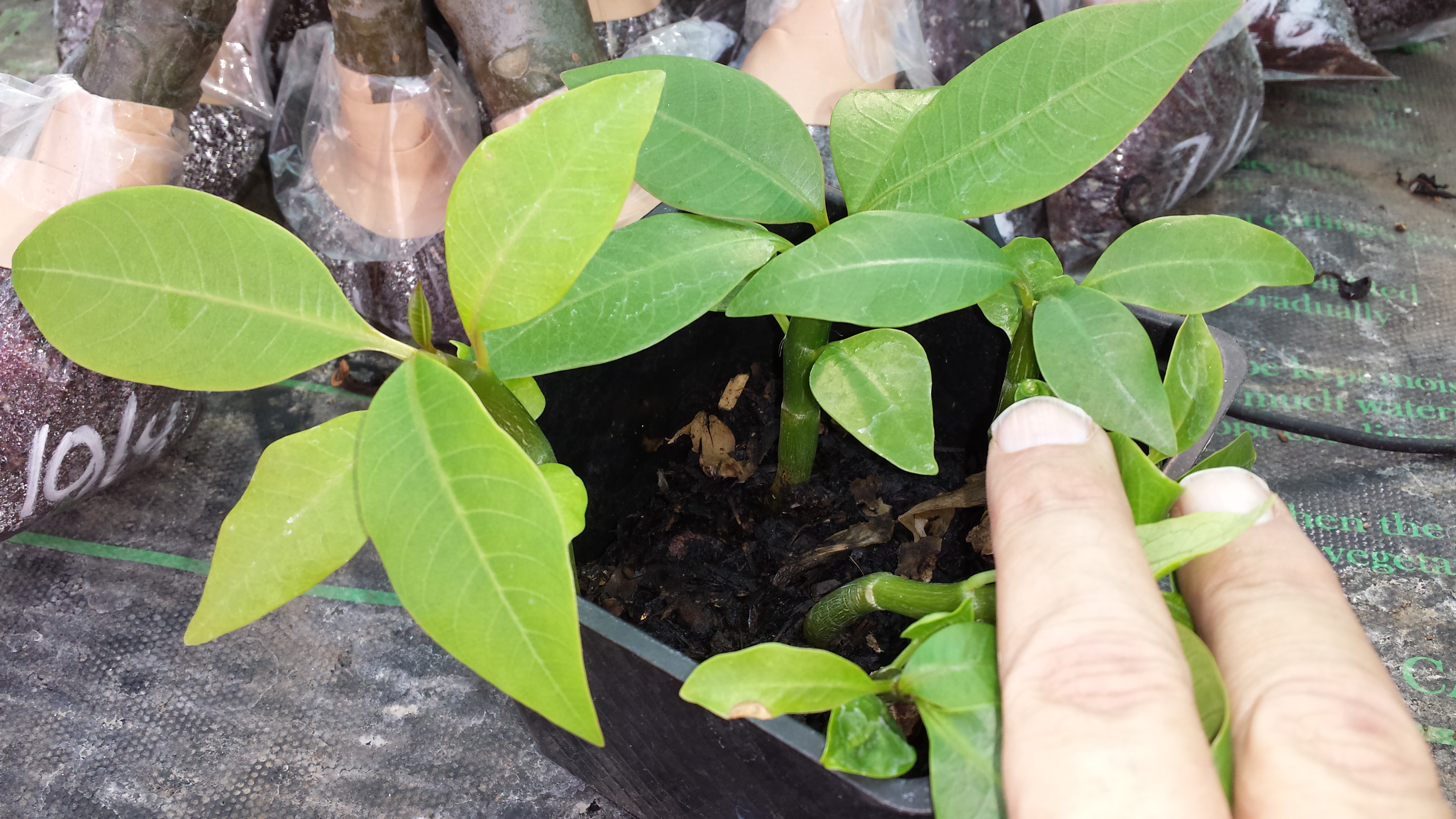
A yellow plumeria leaf is a signal, but it is not a diagnosis. Older leaves may yellow as the plant redirects energy, weather changes, or dormancy approaches. Yellowing can also appear when roots remain too wet, the plant becomes too dry, nutrients are unavailable, pests are feeding, or the plant is responding to stress.
The useful question is not simply, “Why is this leaf yellow?” It is, “What pattern is the whole plant showing, and what changed around it?”
Read the pattern before treating the symptom
Which leaves changed first?
A few older lower leaves yellowing is different from new leaves emerging pale or an entire canopy changing quickly. Notice whether the change begins at the tip, edge, veins, spaces between veins, or across the whole leaf.
Is the change gradual or sudden?
Gradual yellowing as nights cool and growth slows may fit a normal seasonal transition. Sudden widespread yellowing after heavy rain, repotting, a cold event, pesticide use, or a major location change deserves closer attention.
What is happening below the soil?
Roots and moisture can explain symptoms that look like a leaf problem. Check the root-zone moisture, pot drainage, stem base, and plant stability. A plant can wilt or yellow when it is too dry, but damaged roots in wet soil may produce a similar response because they cannot move water normally.
What do the stems and newest growth show?
Firm stems and healthy new growth tell a different story from soft tissue, spreading spots, distorted tips, stalled growth, or a sour odor near the root zone. Inspect leaf undersides and new tips for mites, scale, whiteflies, and other small pests before assuming the plant only needs fertilizer.
Avoid the fast “just in case” treatment
Adding extra water or fertilizer immediately can make the underlying problem harder to understand. First compare the plant with its recent weather, season, watering, and root conditions. Make the smallest justified correction and watch the newest growth rather than expecting an old yellow leaf to turn green again.
For the full comparison and step-by-step checks, read Yellow Leaves in Plumeria: Dormancy or Distress?
Have a specific plant to assess?
Photograph the whole plant, the affected leaves, the leaf undersides, the stem base, and the soil surface. Then describe the recent weather and watering history with Ask Plu.Me. A photograph is more useful when it includes context.
Source path: This original Plumeria Care introduction points to detailed guidance maintained by Plumeria Care Guide.